Cursor Label



Shopify Mobile Apps
One codebase, two app stores — an app that extends the Shopify store you've already built, not a rebuild from scratch.
Book a meeting

What it solves
01
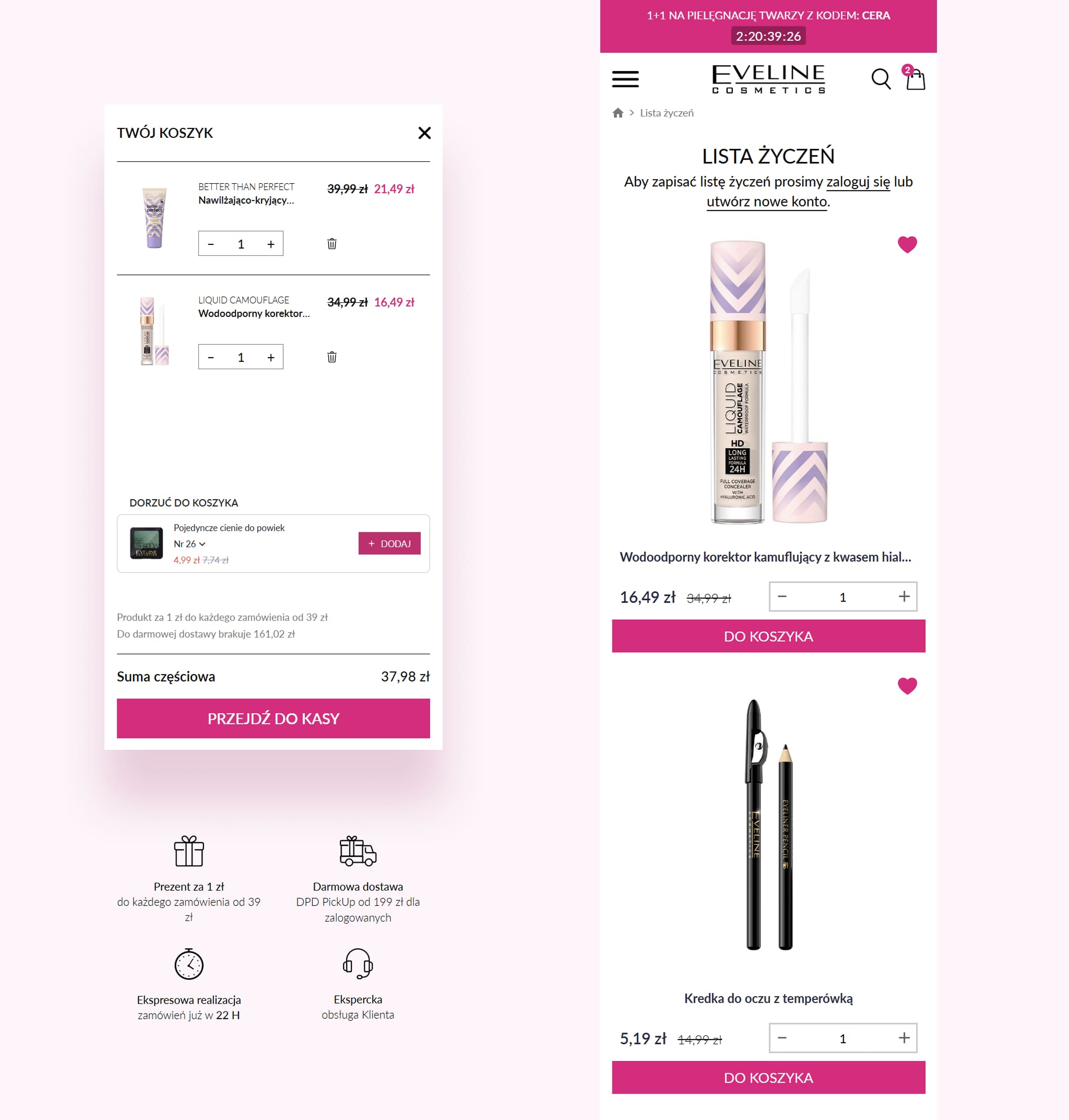
A growing Shopify store with real customers, and mobile traffic that keeps climbing — with no native app to match it.
02
An app that feels like your store wrapped in a WebView — visible loading, no native gestures, none of the smoothness customers expect from an app.
03
A mobile app that has to plug into Shopify itself, plus whatever ERP, CRM, or loyalty system already runs the business — not exist as an island next to it.
Why Ract Native
One codebase. Two stores. No compromise on native feel.
01
One codebase, not two
React Native ships iOS and Android from a single TypeScript codebase — half the maintenance surface of separate native teams, without the compromises of a webview wrapper.
02
Feels native, because it is
No visible content loading in front of the customer, native gestures, and smooth transitions between screens — the lag and jank of a wrapped storefront simply isn't there to hide.
03
Reaches what a webview can't
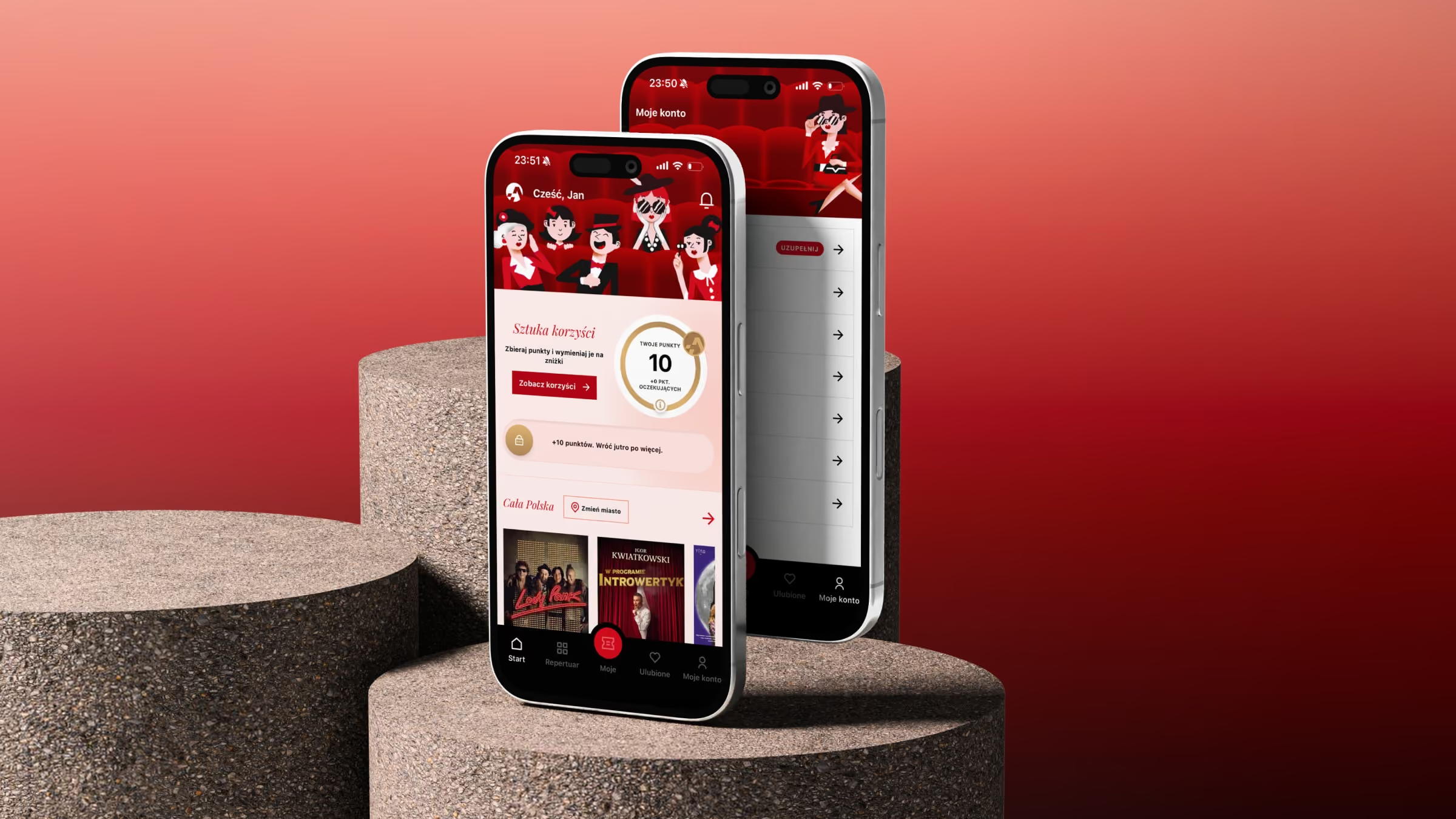
Camera-based barcode scanning for fast reorders, biometric login, Apple Wallet, and rich push notifications that deep-link straight to a product or collection — native capabilities a wrapped storefront has no access to.
04
Built to sit inside Shopify, not next to it
A mobile app rarely stands alone. We build on Shopify's own Storefront API and Checkout Kit, so catalogue, cart, and checkout stay the exact same data as your storefront — and checkout is still Shopify's PCI-compliant flow, Shop Pay and Apple Pay included — instead of forking your store into a second system.
What you get?

A single React Native codebase
Shipping to iOS and Android from day one, built on the same Storefront API data as your storefront.

Native-first integrations
Push notifications with delivery history, social sign-in, deep links — built the way App Store and Play Store review actually expect, not the shortcut version

API layer
A dedicated mobile API layer when Shopify's own APIs aren't enough — loyalty logic, wholesale pricing, anything that doesn't live natively in Shopify — versioned and documented instead of improvised.

The actual product before launch
A release process built for real production use — the platform-specific hardening that decides whether an app holds up after launch, not just in the demo.
Our process
01
Discovery
1 week. We map your existing Shopify setup and API surface, and scope what the app needs from day one versus later.
02
Prototype
2–3 weeks. A working app covering the riskiest native flow end-to-end — usually checkout or accounts.
03
Build
8–14 weeks. Screens, Storefront API integration, push notifications, and the retention mechanics that keep people opening the app.
04
Ship
Store submission and an EAS build pipeline, phased rollout, on-call through the first release cycle
When it makes sense
React Native is the right call when:
01
You need iOS and Android from one team and one budget, and can't justify two native codebases.
02
The app needs to extend your existing Shopify store — accounts, catalogue, orders, loyalty — not exist as a standalone product.
03
Native features — push, deep links, social login — matter to the experience, ruling out a simple webview wrapper.
04
You want a codebase your own team can maintain long after launch, not a black box handed over once.
Consider something else if:
- You need deep platform-specific capability — heavy AR/ML, complex background processing — on day one; a fully native build per platform may serve you better than a shared codebase.
- Or: your mobile traffic is still small and unproven. Validate demand with Shopify's own Shop app or a lighter-weight tool first, and revisit a custom build once volume justifies it.

Why is it worth to work with us?
Experience
200+
Relised Shopify projects
Team
50+
Shopfiy Experts in the team
"Their professionalism, commitment, and flexibility made the migration to Shopify Plus and the development of the platform smooth and seamless."
Daria Żornaczuk
E-commerce Specialist

One app, two stores. Let's scope the build.
A one-week discovery maps your existing Shopify setup and API surface, so we know exactly what the app needs from day one.

Our Shopify Plus Development Case Studies


Frequently Asked Questions
01
How is this different from an app builder like Tapcart or Shopney?
02
Does our existing checkout or ticketing flow need to be rebuilt?
03
Do you maintain it after launch?