


God Save Queens – 50% increase in sales
Store migration to Shopify Plus combined with a refreshed design and custom features, resulting in a 50% increase in sales.
Services
Cursor Label
.svg)
We knew the GANT store looked right. The question that kept us honest was whether it would behave right – and there's only one way to find out.
The store went live over a weekend. Not a soft launch, not a staging dress rehearsal: the real thing, taking real money from real customers, with the whole operation behind it switching over at once. The first genuine test wasn't a design review. It was the first order placed by someone who didn't know or care that anything had changed – would the platform take the payment, look across four separate locations, decide where the items should ship from, talk to the ERP, and, if the products sat in different places, split that single order into multiple parcels with their own tracking numbers, without anyone touching it?
A few hours after go-live, the orders started arriving. And that is exactly what happened.
Gant is an American heritage brand, founded in 1949 on East Coast sportswear and preppy style, today sold in more than 70 countries and 600+ stores worldwide and managed from Sweden. For the Eren Group this project was never just about GANT's Polish store. It was the pilot. If Shopify could carry a brand with this much operational complexity – distributed stock, an ERP backbone, enterprise-grade logistics – then it could carry the rest of the portfolio. The brief, stripped of its politeness, was: prove the platform, or we rethink the whole roadmap.
That changes how you approach the work. You're not shipping a website. You're building the argument for everything that comes after it.
The starting point was far from ideal. GANT's main challenge was its previous custom e-commerce engine, which generated technical errors, delivered a weak user experience for both customers (checkout, search, filtering) and the internal team running the store day to day, and severely limited the freedom of sales management. The brand desperately needed a stable platform that would integrate reliably with Comarch ERP, which remained the real operational hub for distributed logistics.
That's why the starting position was awkward in two specific ways, and it's worth being honest about both.
First, there was no direct access to the source database. You're migrating a live premium catalog while reaching for data you can't simply reach in and take.
Second – and this is the one that mattered most – the product catalog and inventory across all four locations – three stores and the central warehouse – had to synchronize with Comarch ERP, which also owns the routing logic deciding which location fulfils each order. That meant integrating far more than stock levels: order status as a single order is split across locations, and shipment tracking as parcels move, and the early integration tests did not pass cleanly. The sync had gaps. On a project whose entire purpose was to prove reliability, the most important connection in the system didn't work properly the first time we tried it.
So we did the unglamorous thing. We treated the Shopify side as our responsibility to get right regardless of where the integration sat: preparing the data layer, structuring and migrating the catalog with Matrixify, configuring inventory and the order-management logic, and working the problem alongside the external ERP integrator rather than throwing it over a wall. The gaps got closed. By the end, the full catalog was migrated, cleaned, and synchronizing with the ERP in near-real time.
The instinct on a flagship premium brand is to build everything bespoke. We argued the opposite. Rather than start from a blank canvas, we adapted GANT's existing global template from the Canadian market and spent our effort where customers would actually feel it – deep personalization to hold the brand standard, custom listing components, dynamic size charts mapped to individual collections, and filtering and search tuned to get a premium buyer to the product faster. It was a speed decision, and on a pilot with a portfolio waiting behind it, speed was a feature.
The harder engineering went where customers don't see it. We built deep, two-way integration between Shopify and Comarch ERP across all four locations – three stores and a central warehouse – so the ERP's own routing logic, including messy real-world cases like one order shipping from two places at once, is reflected back into Shopify in near-real time: inventory, per-shipment order status, and tracking. We automated returns on Shopify Flow and the InPost Quick Returns API, so a standard return now processes itself end to end – picks its own parcel size, keeps the customer informed – and never lands on the customer-service team's desk.
This automation significantly relieved the customer service department by eliminating the need for manual handling of standard logistics operations. At the same time, it increased customer comfort by simplifying the return process in strict accordance with the "one click return" directive.
And we wired the data and consent layer (GA4 and the Conversions API, OneTrust, the Shopify Privacy API, Google Consent Mode v2, plus Emarsys through its Shopify app) so the brand had full control of its data and its consents from the first hour live, not as a later clean-up job.

Inventory across all four locations is synchronized in near-real time with the ERP, which decides where orders route and how they split. Standard returns are off the team's plate entirely. Order statuses and shipment tracking flow back from the ERP automatically – the connection that didn't work in early testing now runs quietly in the background.
And the pilot did its job. The launch was held over a live trading weekend, the hard cases worked from the first transaction, and the Eren Group has its template for moving the rest of the portfolio onto Shopify.
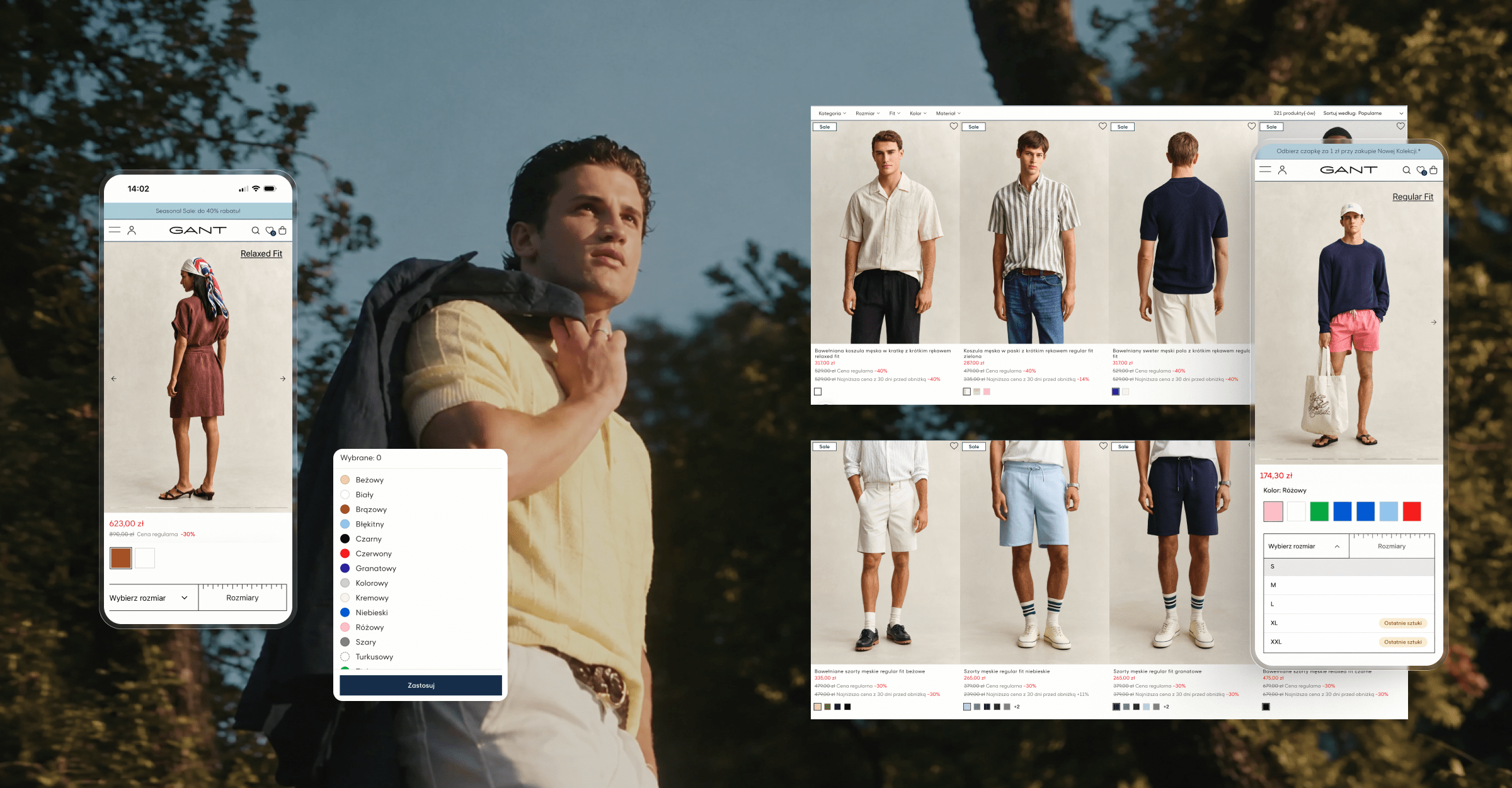
We see the operational side from the inside. The numbers are what the brand experiences, and they remained consistent throughout the new store’s first full season – not just a temporary spike during launch week.
We compared the March–May 2026 period on the new store year-over-year with the same three-month period a year earlier on the old platform. The same season, old site versus new – which eliminates seasonality and isolates what the migration actually changed. Crucially, revenue increased by 40% year-over-year. The store not only attracted more visits – it earned significantly more from each one. This difference between revenue growth and traffic is the essence of a properly executed migration.
The store also succeeded in terms of quality, not just volume. The new platform attracted more traffic at the top of the sales funnel, and the number of purchases increased by 34%. A store that converts better – even when the traffic it attracts is more challenging – is simply, objectively, a better store. This is largely due to implementation decisions: the number of product views more than doubled year-over-year because the new listing components, size charts, and search engine did their job early on, while improved order management and checkout successfully completed those sessions at the end of the journey.
This can’t be captured in a simple list of features: it’s the feeling you get when you entrust a team with a migration that defines the brand’s future, and you watch as the most challenging, behind-the-scenes elements simply work when it matters most.
.jpg)
Throughout the project, we could always count on the dedication and commitment of the wecanfly team. I especially appreciated their support in managing communication across all stakeholders. Even when action items were on the side of our external partners, the team actively participated in troubleshooting, proposed solutions, and ensured that communication remained smooth and efficient. Their proactive approach made a significant difference and helped keep the project moving forward.
I'd also like to give special recognition to our developer, Jakub, who was consistently responsive, proactive, and fully committed to achieving the best possible outcome. Thanks to the team's expertise and collaborative approach, we not only completed a successful migration but also delivered a significantly improved shopping experience for our customers on a modern, stable platform that's ready to support our future growth.
I highly recommend wecanfly to any company planning an e-commerce migration or undertaking a complex technology project.”
Natalia Kaniewska
E-commerce Manager
SHOPIFY DEVELOPMENT

Kamil Patyk
CTO
Shopify Development

Jakub Chimiak
Shopify Developer
SHOPIFY DEVELOPMENT

Bartosz Rowiński
Shopify Developer
BACKEND DEVELOPMENT

Janusz Badawika
Backend Developer
QA

Łukasz Żydziak
QA Specialist
Project management

Dagmara Kusyk
Senior Project Manager
Project Lead
Natalia Kaniewska
UAT Testing
Iryna Kuratnik
Masterdata analysis
Emir Togay
Marketing tools technical setup
Ümit Yurtseven
At wecanfly, we design and implement scalable solutions on Shopity and Shopify Plus. With over 200 successful migrations completed, we have the experience to precisely plan your store architecture, ERP integrations, and international expansion strategy.
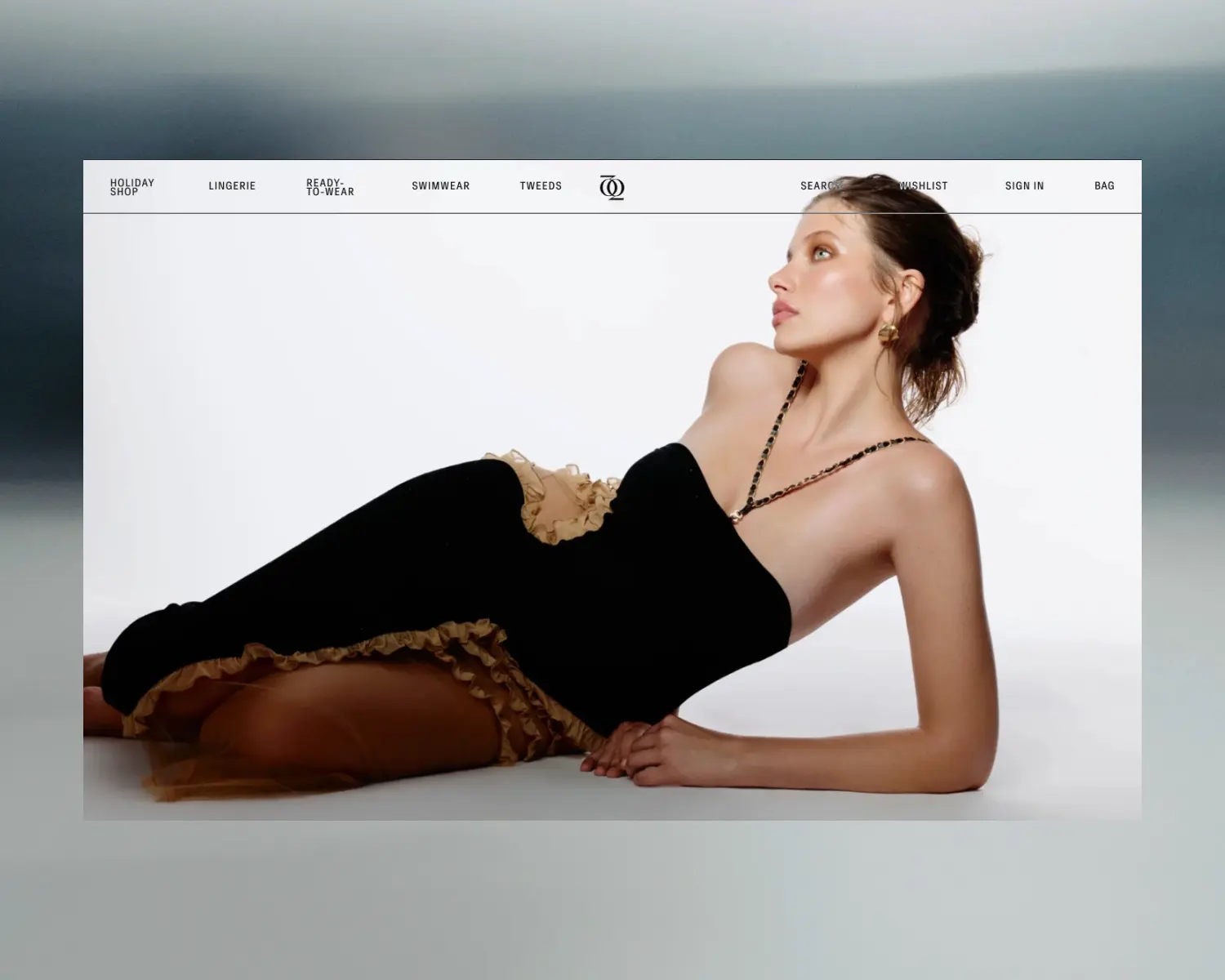
Store migration to Shopify Plus combined with a refreshed design and custom features, resulting in a 50% increase in sales.
Services
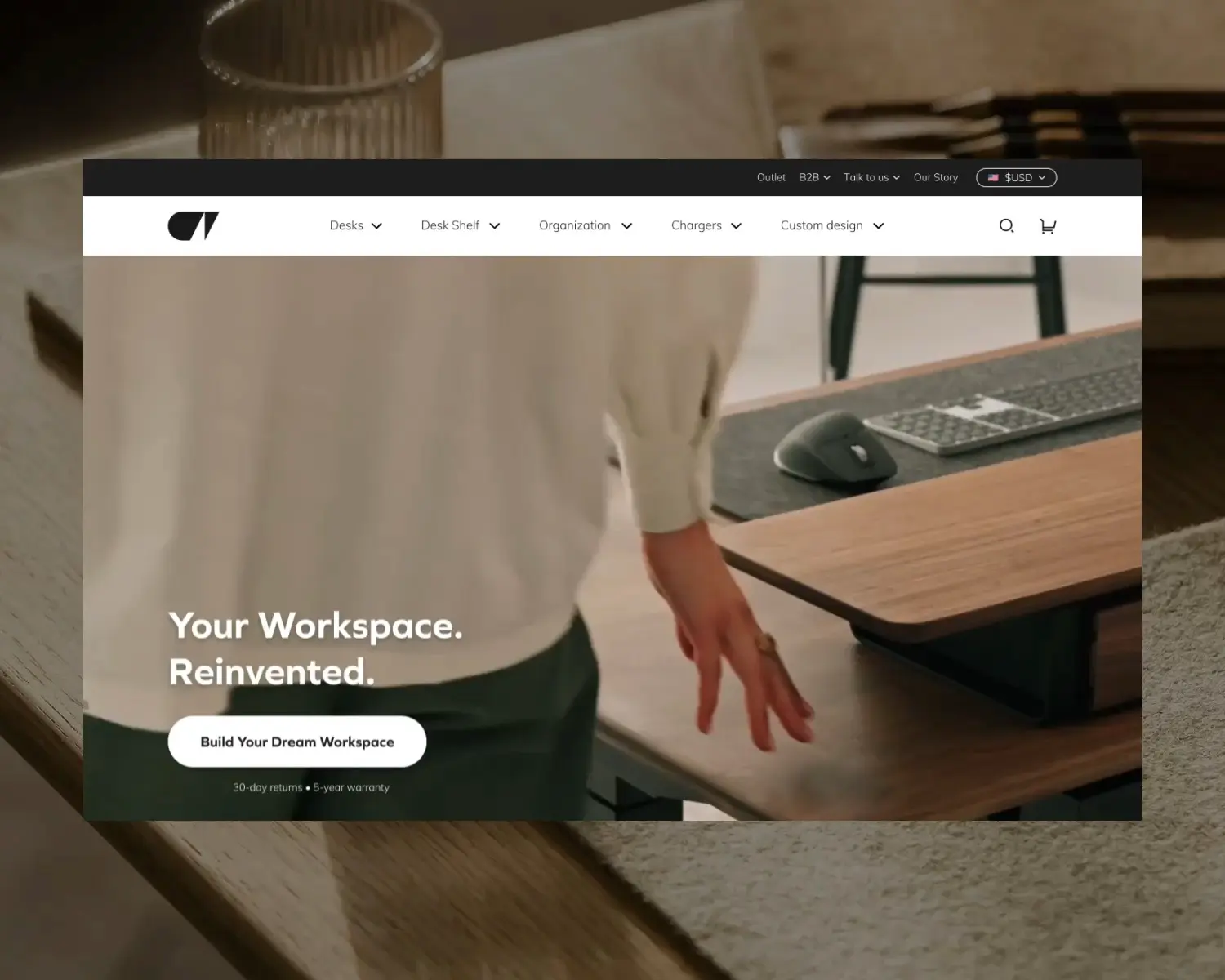

Oakywood is a family-owned furniture company with generations of carpentry traditions. The brand was born out of a love for wood and technology, and production from start to finish is carried out in Poland.
Services